Digital Assessment

Universities today are under growing pressure to deliver exams and assessments that are both fair and dependable, whether they take place in a hall or online. A well built digital assessment approach brings structure to that process, covering everything from exam creation and delivery to grading and feedback within one connected system.

For academic leaders, the real value lies in protecting the integrity of every assessment, with tools that support proctoring and originality checks so institutions can trust the results they are putting their name behind. Students benefit too, receiving clear and timely feedback that helps them understand not just their grade but how they can improve. Because everything runs on a single platform, faculty spend less time managing logistics and more time focused on teaching and student progress. This also gives institutions the flexibility to run open book, closed book, formative, or high stakes assessments, all configured to fit the specific needs of each course.

As more universities shift away from paper-based exams, having a dependable and secure way to manage that transition matters for protecting both academic standards and institutional reputation. The result is an assessment experience that upholds integrity, strengthens learning outcomes, and gives leadership the confidence that every exam reflects the true ability of every student.

Ready to see how this fits into your institution's assessment strategy? Book a discovery call with our team.

Summative Assessments

Our summative assessments give institutions a clear, consistent way to measure how well students have met learning outcomes at the end of a course, module, or program. A strong summative assessment approach makes it easy to build exams and assessments that stay aligned with academic standards and accreditation requirements, while still giving faculty the flexibility to design questions that suit their subject.

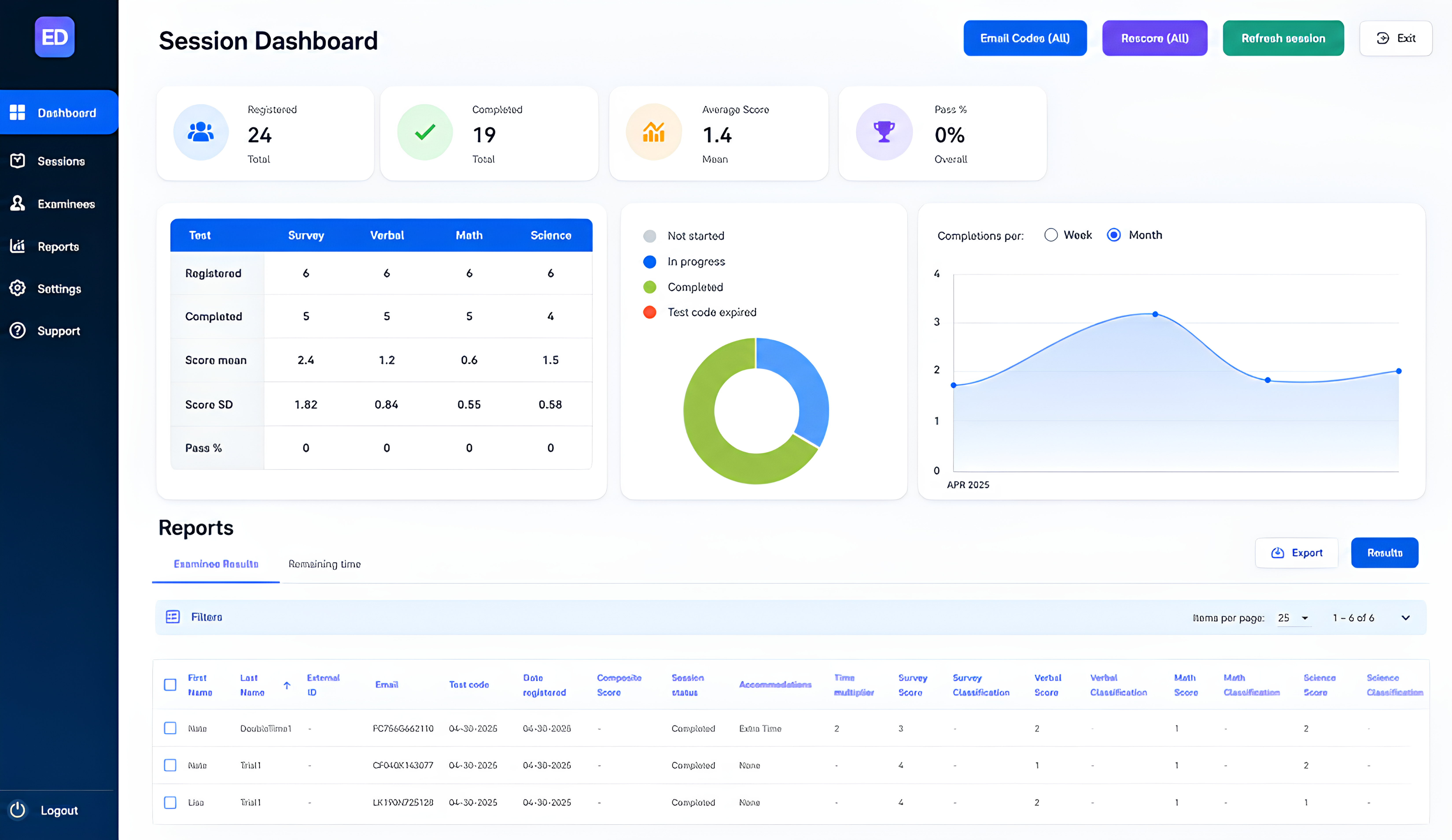
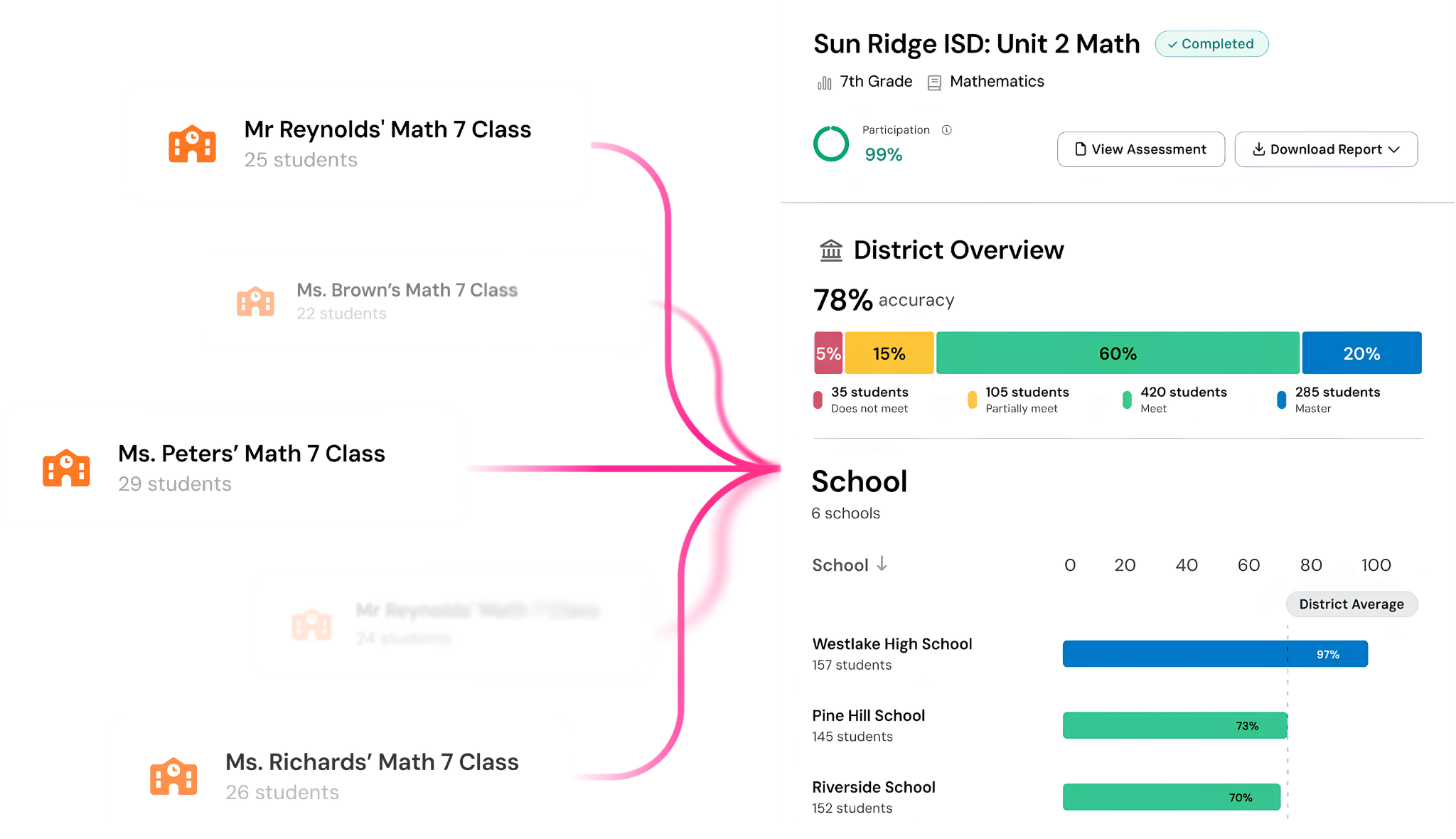
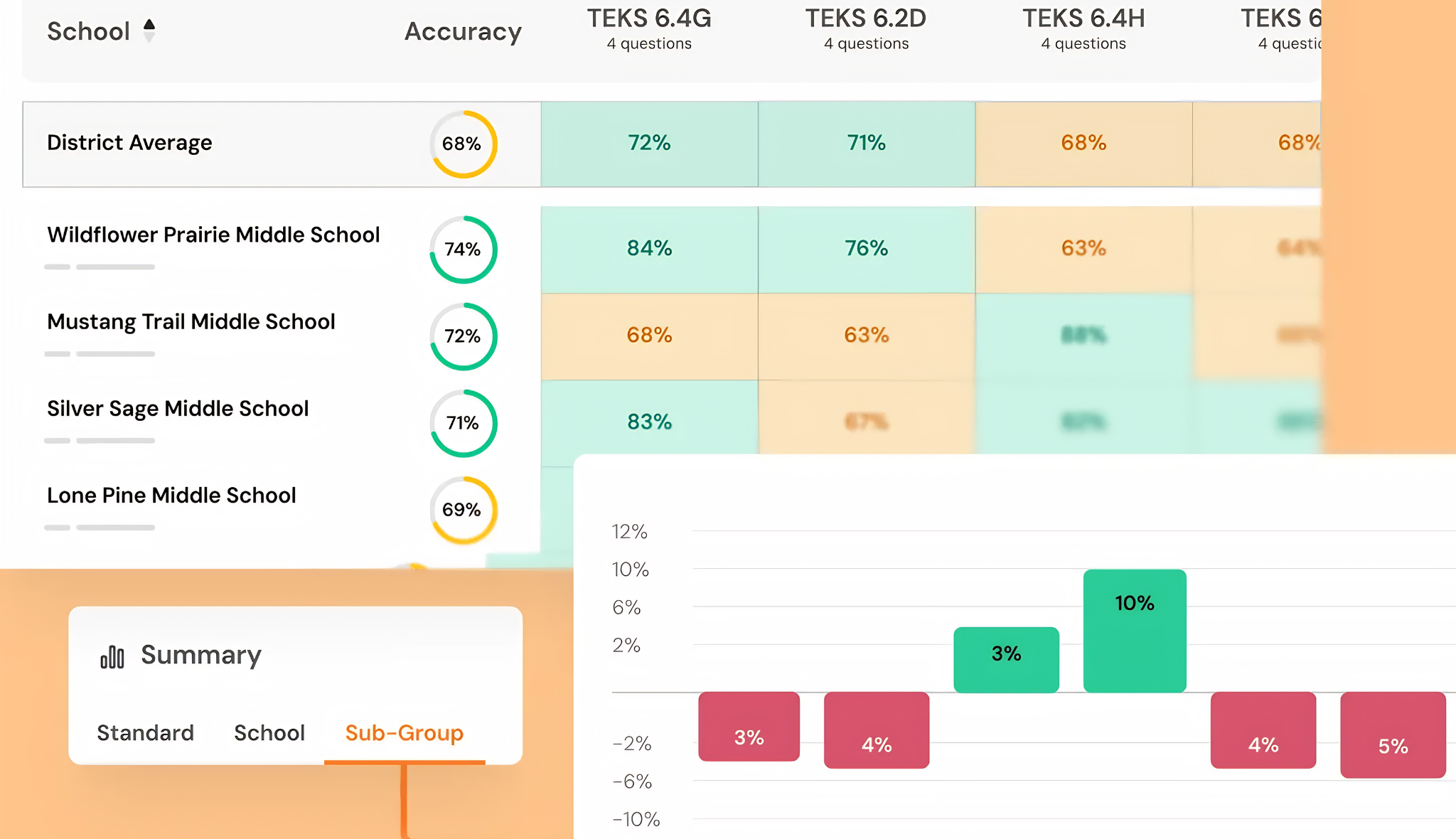
Detailed reporting brings visibility that matters at the leadership level, giving deans and department heads a clear view of performance across courses, cohorts, and programs, not just individual students. This makes it easier to spot gaps in learning outcomes early and act on them, rather than waiting until the end of a term to notice a pattern.

Academic integrity is built into the process as well, with secure test modes and structured question banks that help reduce the risk of malpractice, without adding extra work for faculty. Because assessments can be reused and adapted across sections and semesters, institutions save time on exam creation while keeping quality and consistency high. Together, this gives academic leaders a dependable way to measure outcomes, protect standards, and report on institutional performance with confidence.

Curious how this could support your institution's assessment strategy? Book a discovery call with our team.