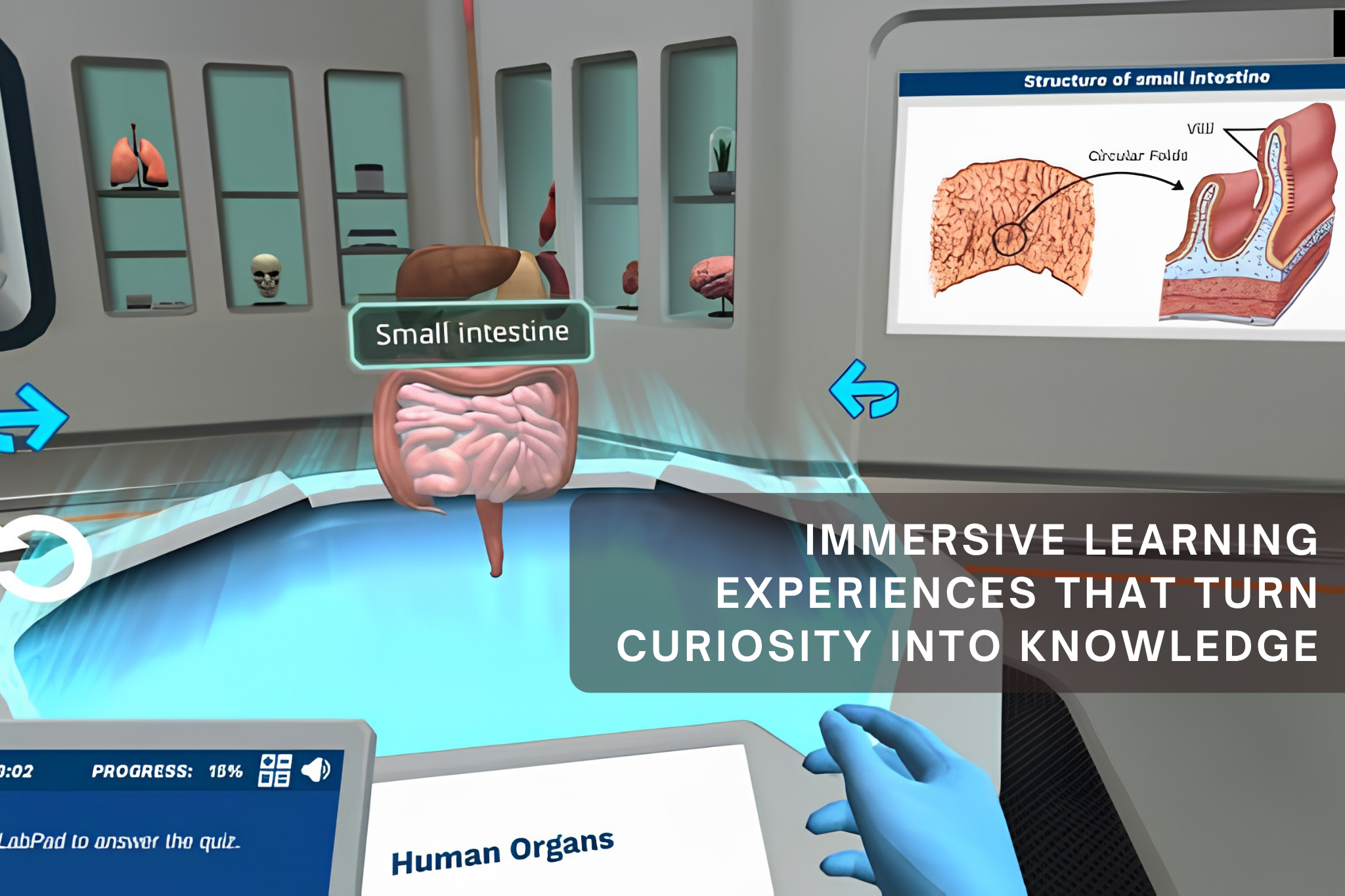
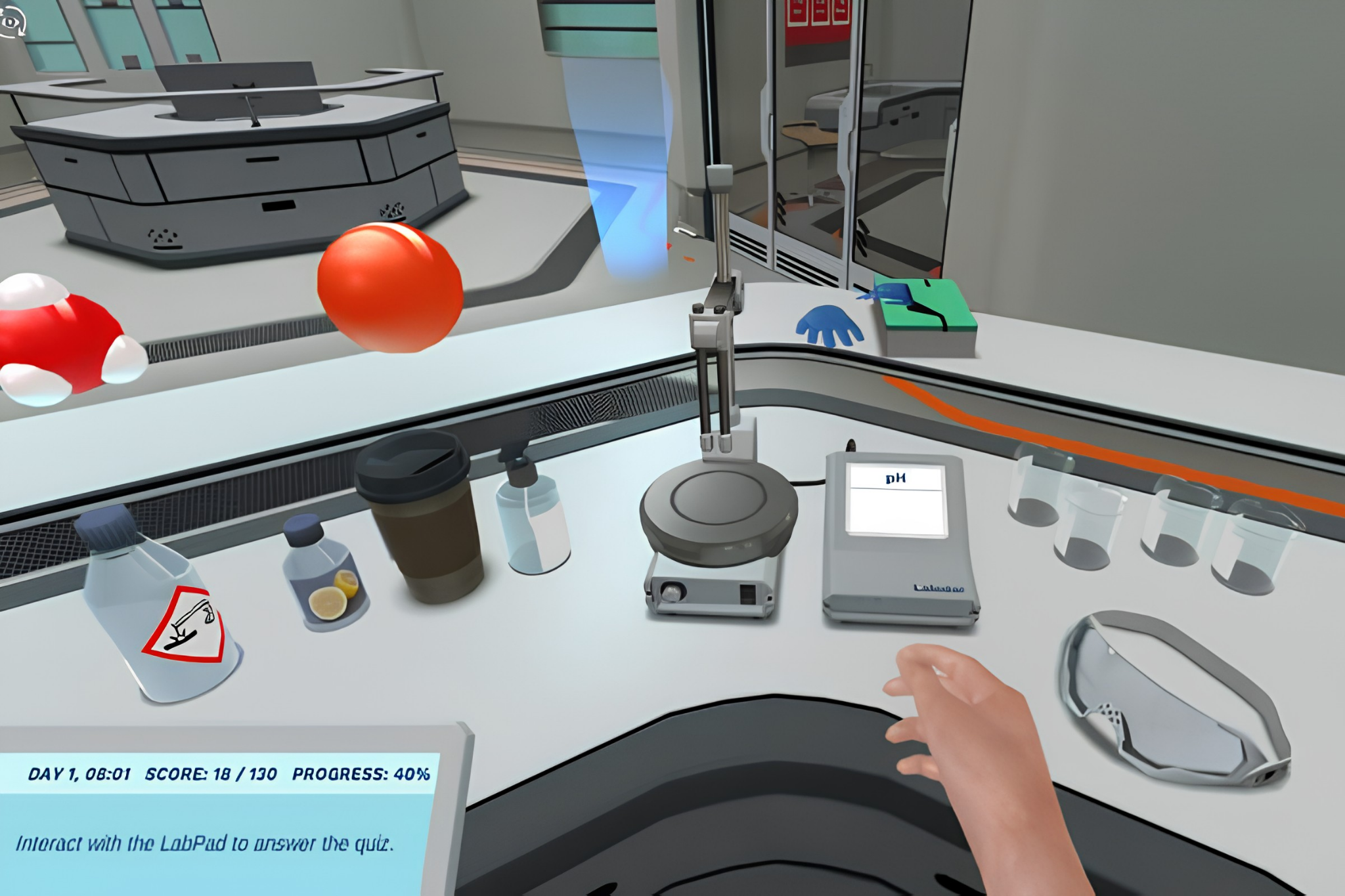
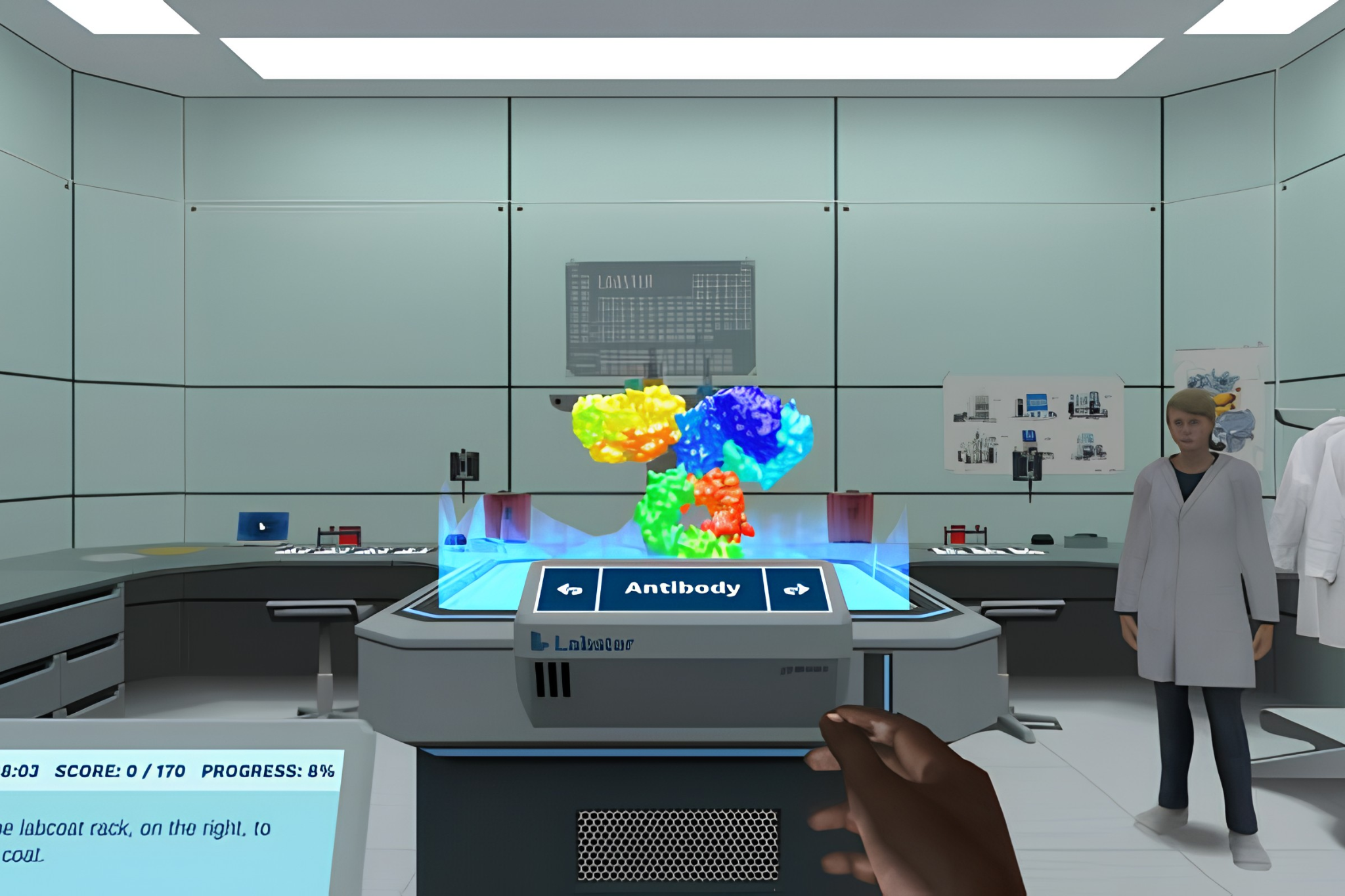
High-quality virtual labs are built around inquiry based learning. Instead of following fixed steps, students make decisions, test hypotheses, and see the consequences of their choices, much like they would in a differentiated wet lab setting. By recreating the variability and experimental thinking of a physical lab, virtual labs give students a practical way to master complex scientific concepts and build real lab skills.
Whether used to complement in-person labs or as a full replacement, our virtual labs give students the room to practice, get things wrong, and learn from it in a safe environment.
Should virtual labs replace or complement traditional in-person labs?
Virtual labs can do both, depending on what an institution needs. Used as pre-lab preparation, they help students walk into the physical lab with more confidence, a stronger grasp of the concepts, and better readiness for hands-on work. They can also stand in for physical labs entirely when that is not feasible, for online courses or in settings where lab space and equipment are limited. Because they replicate the decision making, variability, and experimental consequences of a wet lab, students still get meaningful exposure to experimental science even without physical access.
A cost effective, scalable alternative
Virtual labs offer a practical alternative to traditional lab setups and lab kits, helping institutions control costs while expanding access to science education. They cut down on expenses tied to physical materials, lab setup, and shipping, and reduce how much institutions need to rely on dedicated lab space and equipment. Since virtual labs can run across multiple sections and campuses at once, they scale without demanding more infrastructure. Experiments can also be repeated as often as needed, so students can make mistakes and try again without the cost of physical lab materials piling up.
Built for easy implementation
Virtual labs are designed to fit in smoothly, whether an institution is rolling them out in a single department or across an entire campus. They integrate with major LMS platforms including Canvas, Blackboard, Moodle, and D2L, so students can access simulations as standard assignments with grades syncing automatically. Institutions without an LMS can use a standalone course manager instead. To help departments get started faster, course mapping services align simulations with existing syllabi, and dedicated onboarding support is available for faculty. Enterprise-grade data security, including SOC2 compliance, also means the technical approval process with IT is straightforward.
Ready to see how virtual labs could work for your institution? Book a discovery call with our team.